Oil Cleanser for Combination Skin: Oil vs Balm vs Micellar
Oil cleanser for combination skin suits heavier makeup or sunscreen; compare oil, balm, and micellar water, and learn why double cleansing isn’t always needed.
For combination skin, choose your first cleanse by what you need to remove
- Choose an oil or balm when you want a first step for heavier makeup or sunscreen.
- Choose micellar water for a lighter makeup-removal step or a quick routine.
- Combination skin alone does not mean you need to double cleanse.
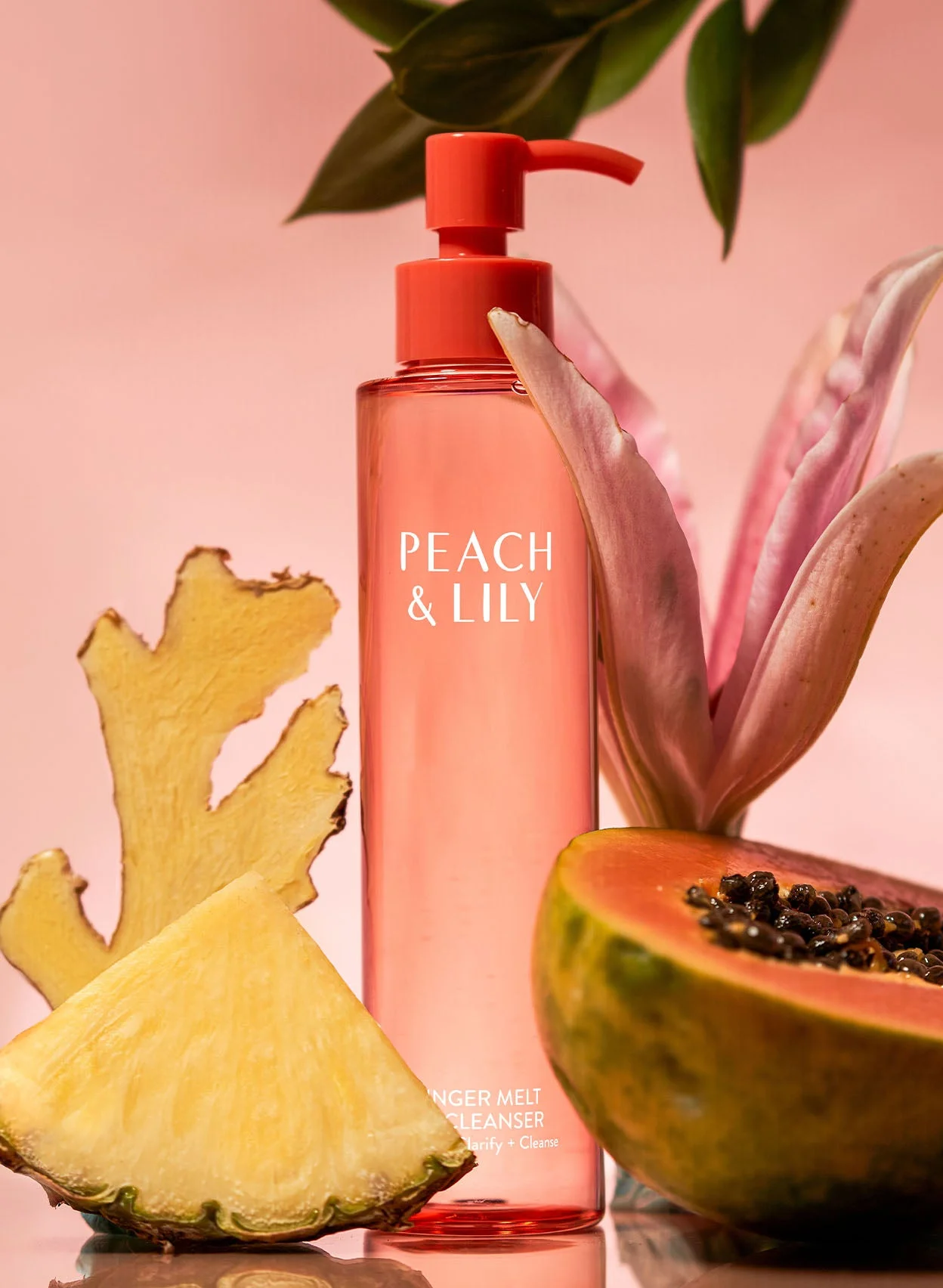
- Our Ginger Melt Oil Cleanser suits an evening oil cleanse when you want to remove makeup, sunscreen, and excess oil without a greasy finish.
An oil cleanser can be a useful first cleanse when you wear long-wear makeup or heavy sunscreen and want a separate removal step before your regular face wash. If you want an oil format, our Ginger Melt Oil Cleanser is an evening option made to remove makeup, sunscreen, excess oil, and impurities, with a finish described as nongreasy.
Ginger Melt Oil Cleanser
A first cleanse is the makeup- or sunscreen-removal step; a second cleanse is your regular water-based face wash. Let what is on your skin and how your face feels after rinsing guide the choice.
Do you need an oil cleanser as a first step?
Combination skin can suit a single gentle face wash; save an added first cleanse for evenings when long-wear makeup or heavy sunscreen needs a separate removal step.
Double cleansing means using a first cleanser, often an oil or balm, followed by a water-based face wash. Most skin types do not need to double cleanse, according to Cleveland Clinic’s double-cleansing explainer; a dermatologist quoted in its face-washing guidance advises against it for people who do not wear makeup. Cleveland Clinic’s face-washing guidance presents micellar water followed by a gentle cleanser as another way to remove makeup before washing your face.
Oil-based cleansers help remove oil-based impurities, while water-based cleansers remove water-soluble material such as sweat and dirt, according to Cleveland Clinic’s double-cleansing explainer.
An oily T-zone is another potential fit for an oil first cleanse: Cleveland Clinic notes that this format can help remove excess sebum for people with oily skin. Sebum is the oil skin naturally produces, and the T-zone usually refers to the forehead and nose.
The American Academy of Dermatology's face-washing guidance recommends a gentle, non-abrasive cleanser, lukewarm water, and washing with your fingertips. It advises washing twice a day and after heavy sweating. Those basics help keep the first-cleanse decision in proportion: choose the extra step for what you need to remove, rather than because your skin has both oily and drier areas.
When heavy sweating prompts an extra wash, the American Academy of Dermatology’s face-washing guidance recommends washing as soon as possible, especially if perspiration is trapped under a hat or helmet.
Remove eye makeup before bed as part of your evening routine. The American Academy of Dermatology’s makeup guidance recommends washing after makeup removal with a gentle cleanser and avoiding scrubbing.
Oil, balm, or micellar water: which fits your routine?
The three useful comparison points are what you need to remove, the texture you prefer, and whether you want to rinse. Dear, Klairs’ format comparison distinguishes the practical features of oil, balm, and micellar water.
| First-cleanse format | Best fit | Texture and application | Rinse and follow-up |
|---|---|---|---|
| Oil | Heavy, long-wear, or waterproof makeup and sunscreen. | Fluid; massage to loosen the oily layer. | Rinse off, then follow with a gentle water-based cleanser. |
| Balm | Heavier makeup or sunscreen when you prefer a cushiony format. | Starts solid and melts during use. | Rinse off, then follow with a gentle water-based cleanser. |
| Micellar water | Light makeup or a quick, low-makeup cleanse. | Light, wipe-on format applied with a cotton pad. | Often used without rinsing. |
Texture preference can help break a close decision. Dear, Klairs’ comparison notes that an oil may feel pleasantly fluid to one person and too slippery to another. Dear, Klairs also describes micellar water as convenient for travel or a tired evening when you want a quick refresh.
Micellar water can remove dirt, oil, and most makeup as a first step, according to Cleveland Clinic’s micellar-water guidance. For very heavy or waterproof makeup, the guide recommends adding an oil- or water-based cleanser.
Micellar water gets its name from micelles, tiny cleansing molecules that pick up oil and grime when you sweep the liquid over skin with a cotton pad.
A quick example: if you wore light makeup and want the fewest steps, micellar water followed by your usual face wash is a reasonable route. If you wore long-wear foundation and sunscreen, an oil or balm followed by your usual face wash may feel like a better match. If you wore no makeup and your usual cleanser leaves your face comfortable, begin and end with that wash.
What finish should you look for on oily and drier areas?
Combination skin often pairs an oily T-zone across the forehead, nose, and chin with drier cheeks or jawline, according to CeraVe’s combination-skin cleanser guide. The guide notes that some face washes aimed at an oily T-zone can feel too drying on less-oily cheeks or jaw.
Notice your whole face after rinsing, including the T-zone and cheeks. A comfortable finish means your skin feels clean without a greasy film or a tight, dry feeling; these everyday sensations can help you decide whether the cleanser and the number of steps suit your routine. The Cleveland Clinic's guidance on face-washing frequency explains that overwashing can remove some of the skin's natural oils and lead to drier skin, so repeated washing is not a useful way to chase a squeaky-clean feel.
The American Academy of Dermatology also recommends lukewarm water and fingertips rather than a washcloth or mesh sponge when washing your face. Keep your cleansing motions gentle, and let the rinse do the work. If your cheeks feel tight after a two-step cleanse, try a single cleanse on a lighter-makeup evening and see whether that feels more comfortable.
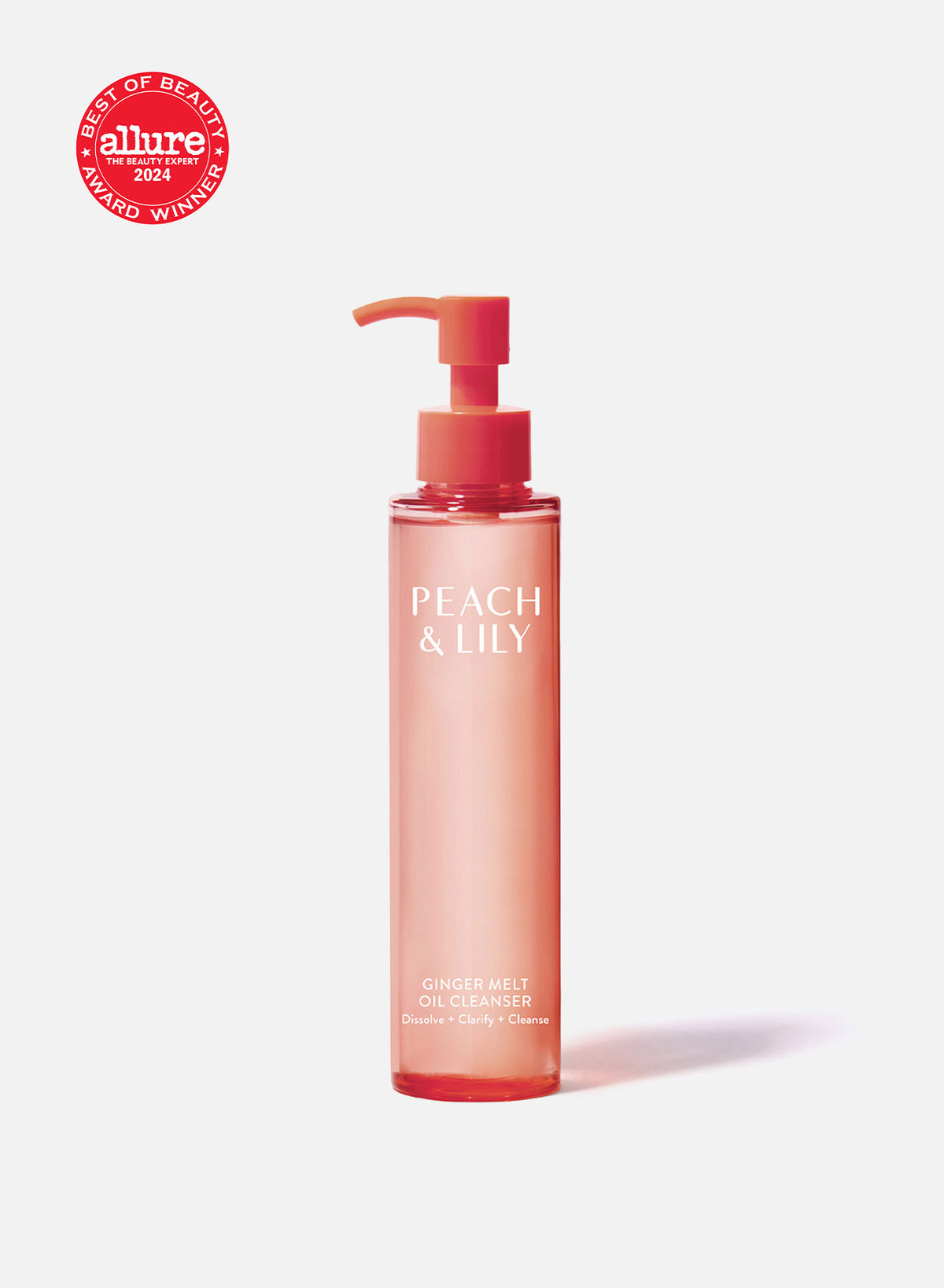
For an evening oil cleanse, our Ginger Melt Oil Cleanser removes makeup, sunscreen, excess oil, and impurities. Its blend helps visibly clarify and balance skin without leaving a greasy residue.
Ginger Melt has a comforting, silky texture with slip, a useful detail if application feel helps you choose an oil cleanser. Its highlighted blend includes ginger root extract, grapeseed oil, sunflower seed oil, and pineapple extract. Ginger root extract supports an elastic, bouncy look, grapeseed oil helps soften skin and support a more even-looking tone, sunflower seed oil helps leave skin feeling nourished and supple, and pineapple gently exfoliates dead skin cells.
Ginger Melt Oil Cleanser comes in 150 ml and 300 ml sizes. If you are trying an oil first cleanse for the first time, the 150 ml size is a way to start with less product; the 300 ml size suits shoppers who expect to use the cleanser regularly. The product directions list daily evening use, so either size can fit the same first-cleanse step.
How to use Ginger Melt as an evening first cleanse
Our usage directions place Ginger Melt Oil Cleanser at the start of the evening routine and list daily PM use. Follow this order:
- With clean, dry hands, apply 1 to 2 pumps to a dry face.
- Massage it over your skin.
- Rinse with lukewarm water.
- Follow with a water-based cleanser.
After rinsing, pat your face dry with a soft towel and apply moisturizer if your skin feels dry or itchy, following the American Academy of Dermatology’s face-washing guidance.
FAQS
FAQ
Should I use an oil cleanser if I have combination skin?
No, combination skin alone does not mean you need an oil cleanser. Add an oil first cleanse when you want a separate evening step for makeup, sunscreen, or excess oil, then follow the product directions for rinsing and cleansing.
Which cleanser is suitable for combination skin?
Choose a gentle, non-abrasive face wash that leaves your skin comfortable across both the T-zone and cheeks. Add one first-cleanse format, oil, balm, or micellar water, when the day's makeup or sunscreen calls for it.
Ginger Melt Oil Cleanser
See how these criteria hold up on the real thing.