


How to Choose Anti Aging Cream: Match Ingredients to Your Concern
How to choose anti aging cream: match retinoids, vitamin C, niacinamide, or peptides to your concern, and start with sunscreen and a suitable moisturizer.

Start with skin-care basics, then choose one concern
- Start with daily sunscreen and a moisturizer that suits your skin type.
- Choose one visible concern, then look for ingredients studied for that goal.
- Introduce one targeted product at a time and follow its directions.
- For a firming moisturizer, our Peptide Pro Firming Moisturizer pairs a peptide complex with visible-firming and skin-barrier-support claims.
How to choose anti aging cream: start with daily sunscreen and a moisturizer that fits your skin, then choose one targeted formula for a visible concern such as fine lines, uneven-looking tone, or dryness. That keeps the decision focused on the change you want to see and the formula you can comfortably use.
What can an anti-aging cream realistically do?
The AAD's product-selection guide recommends starting with sunscreen and moisturizer, and sets modest expectations for anti-aging products.
The AAD's wrinkle-remedies guide recommends using SPF 30 sunscreen every day on skin not covered by clothing. Moisturizing traps water in skin, which can reduce the appearance of some fine lines and make the complexion look brighter, according to the AAD's wrinkle-remedies guide.
A specific goal, such as softer-looking lines or a more even-looking tone, gives you a clearer way to judge a product than a broad promise to look younger.
Which ingredient matches your main concern?
Choose the ingredient category by the visible result you want, then look at the evidence for the actual ingredient and formula.
| Your main concern | Ingredient family to consider | Where to read next |
|---|---|---|
| Fine lines and rough-looking texture | Retinoids, including retinol | Fine lines and texture section |
| Uneven-looking tone | Vitamin C or niacinamide | Uneven tone section |
| A firmer-looking appearance | Peptide formulas | Firming section |
| Dryness or a tight-feeling finish | Moisturizers with humectants and emollients | Dryness section |
For fine lines and texture
Retinoids are one ingredient family to consider when fine lines and rough-looking texture are your focus. Retinoids are vitamin A derivatives that can help smooth the look of wrinkles and improve the look of discoloration; retinol is a milder type that may irritate skin, according to Mayo Clinic's wrinkle-cream guide.
The systematic review of topical tretinoin for photoaging included randomized controlled trials. In this review of seven randomized controlled trials, topical tretinoin improved the clinical appearance of wrinkles, mottled pigmentation, sallowness, and age spots in the studied participants; the studies used different formulas and outcome measures. Mayo Clinic advises avoiding retinoids, including retinol, during pregnancy.
For uneven-looking tone
Vitamin C and niacinamide are options to consider when uneven-looking tone is your priority. Vitamin C may improve skin tone, and niacinamide may help improve tone, according to Mayo Clinic's wrinkle-cream guide.
A 2002 clinical study compared a 5% niacinamide moisturizer with a similar moisturizer without niacinamide in 18 people with facial hyperpigmentation. After four weeks, image measurements showed a significant decrease in total hyperpigmented area on the niacinamide-treated side; after eight weeks, visual grading also showed a significant reduction compared with the side that received moisturizer alone.
For a firmer-looking appearance
Peptide studies examine specific ingredients and formulas, so the peptide used matters when you compare product claims. In an eight-week study summarized in a review of topical peptides, 180 women aged 35 to 65 applied a moisturizer with one specific peptide (Pal-KTTKS) twice daily; the formula reduced measured bumpy texture and fine lines or wrinkles compared with other test moisturizers and the starting measurement.
Use that result as an example of the evidence for that particular peptide moisturizer, then choose another peptide cream by matching its own stated purpose to your concern.
For dryness and a tight-feeling finish
A moisturizer can address dryness while also helping skin look smoother. A review of moisturizer ingredients explains that humectants draw water into skin, while emollients fill tiny spaces between skin cells, supporting hydration and a softer, smoother feel.
When dryness is your main concern, begin with a moisturizer that feels comfortable on your skin and use it consistently. That step can provide a visible smoothing effect, while a separate targeted ingredient can wait until you know you want another focus.
How do you screen a cream for your skin type and routine?
Use this short checklist to compare formulas before buying:
- Name the result you want. Choose one visible concern, such as fine lines, uneven-looking tone, firmness, or dryness. A clear target gives you a simple way to decide whether a product's focus fits.
- Match the formula to your skin type. The AAD's product-selection guide recommends choosing a moisturizer and targeted skin-care product formulated for your skin type. If your skin is sensitive, look for a formula labeled for sensitive skin. If it tends to be oily, choose a moisturizer made for oily skin.
- Follow each product's directions. Using more than the label directs can cause clogged pores, blotchy skin, or excessive dryness, according to the AAD's product-use guidance. Ingredient evidence varies with the specific formula, as the retinoid and niacinamide studies show.
- The AAD recommends adding one targeted anti-aging product at a time. A gradual start also makes it easier to notice how your skin responds.
- Give the routine time and set a budget. Many wrinkle creams require once- or twice-daily use for up to six weeks before a difference is noticeable, according to Mayo Clinic's guide to wrinkle creams. Choose a product that fits your budget: the AAD's product-selection guide notes that effective anti-aging products come in all price ranges.
If you’d like an extra cautious first step, the AAD's product-use guidance suggests applying a small amount to your inner forearm twice daily for four to five days. When the skin looks free of redness, itching, or other reaction, you can try the product on your face.
These steps help keep the routine manageable: maintain sunscreen and moisturizer, then add one targeted formula that fits both your concern and skin type. If a product creates ongoing discomfort, pause it and choose a gentler routine; persistent, severe, or worsening skin symptoms are a reason to speak with a dermatologist or physician.
When does a firming moisturizer fit?
Choose a firming moisturizer when a firmer-looking appearance is your main concern and you want that focus in the moisturizer step. Our Peptide Pro Firming Moisturizer is described as a firming cream. Its peptide complex of tremella extract, phytosteryl, and squalane visibly lifts and firms skin and supports the skin barrier.
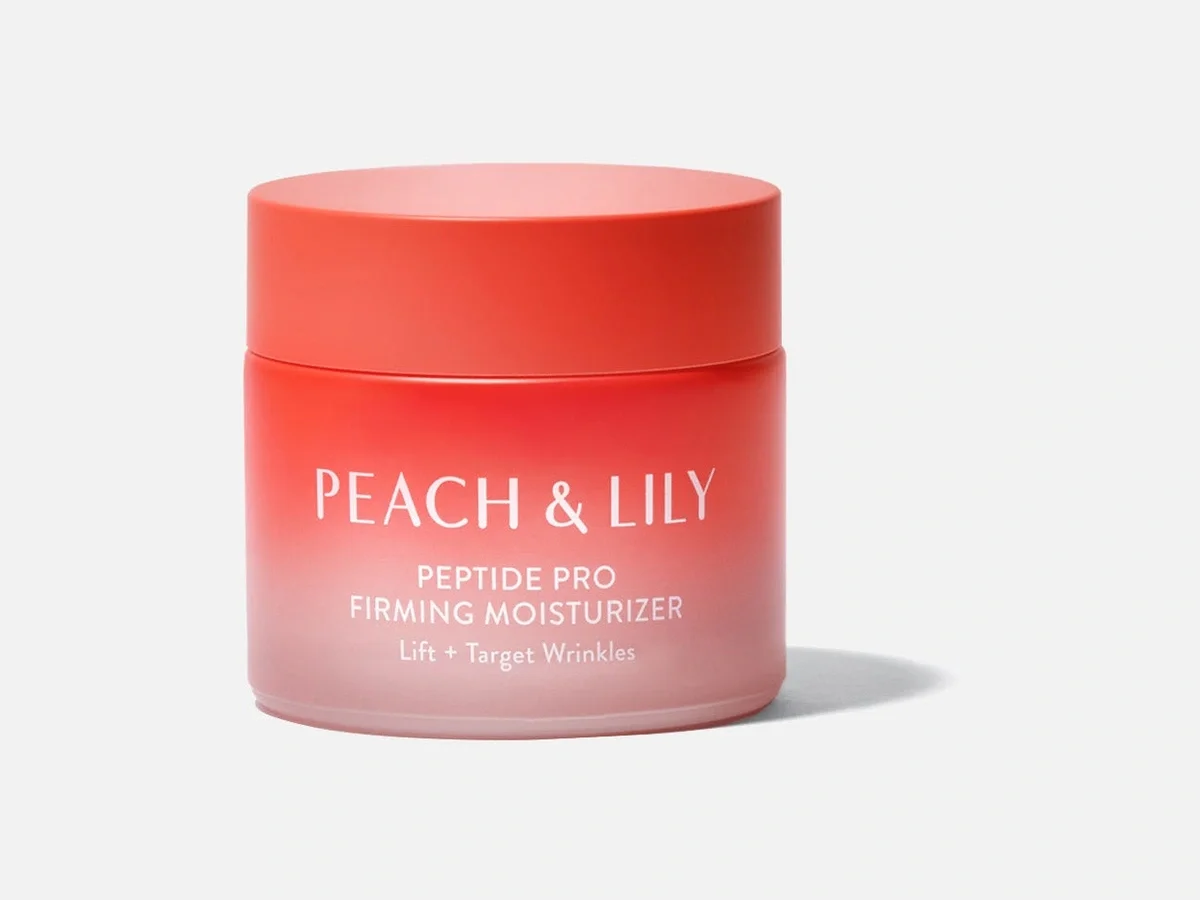
Peptide Pro Firming Moisturizer
If your first priority is uneven-looking tone or a rough texture, use the ingredient guide above to choose that concern first; a firming moisturizer is most useful when its focus matches what you want to see.
FAQ
Is there a cream that makes you look younger?
Yes, a moisturizer can temporarily plump skin so some lines look less noticeable, and targeted creams may create modest visible changes over time. Choose a formula around the one appearance concern you most want to address.
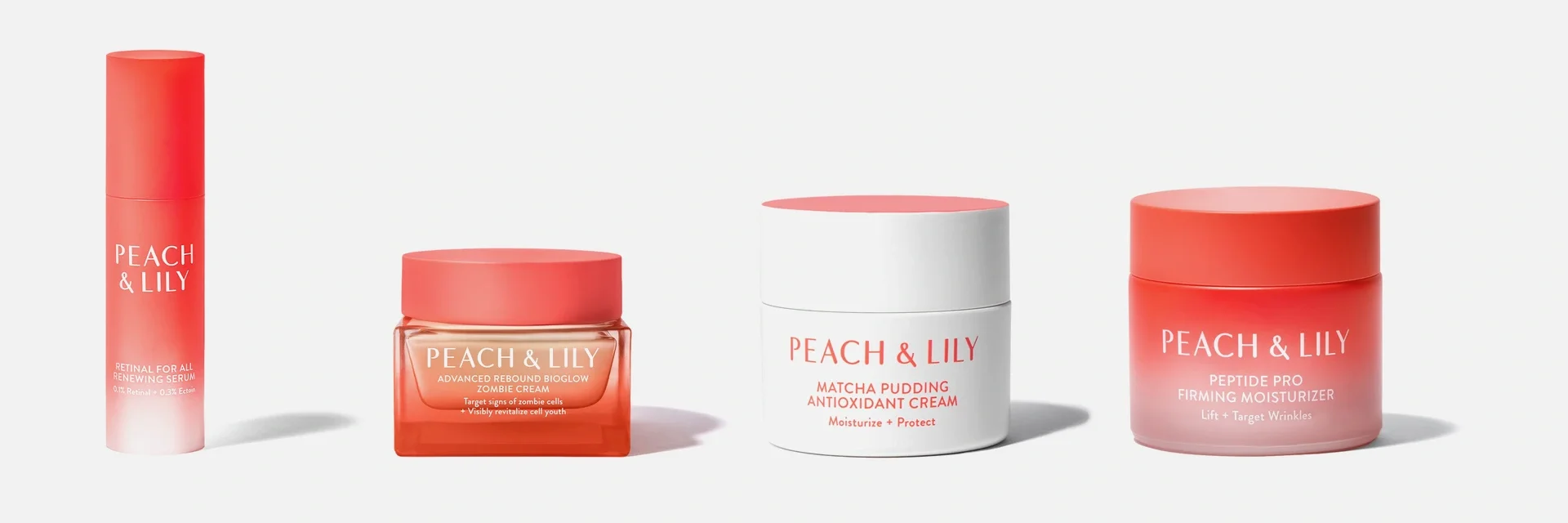
Peptide Pro Firming Moisturizer
See how these criteria hold up on the real thing.